
Learn the latest in design, technology, incineration, dewatering, and regulatory management.
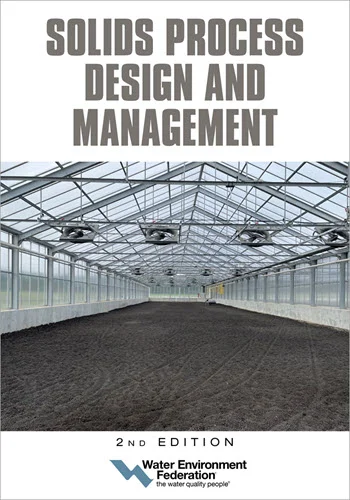
The second edition of this publication is intended for use by professionals engaged in the design, approval, and operation of municipal solids treatment and disposal systems in utilities of all sizes. It includes updated information to account for the recent changes and improvements in technology and regulatory environment policies.
Chapters include updated solids incineration, dewatering information improvements, updates to solar drying information, regulatory environmental policies, utility management, technological advancements, planning, public outreach and involvement, solids production and characterization, design approach, conveyance, conditioning, thickening, waste minimization, anaerobic and aerobic digestion, composting, alkaline treatment, disinfection and stabilization, thermal drying, thermal oxidation, pyrolysis and gasification, transport and storage, odor management, side streams, instrumentation and monitoring, land application and product distribution, landfill management, emerging technologies, and treatment and utilization of green gases.
Solids Process Design and Management, 2nd Edition includes
updates in water resource recovery aspects due to major technological advancements.
updated information to account for changes and improvements in technology and regulatory environment policies
new rules surrounding incineration
updated dewatering information
updated solar drying information and is relatable to small and large utilities
updates of regulatory management and design programs
Table of Content
- Chapter 1 Introduction
- Chapter 2 Considerations for Planning of Biosolids Management Projects
- Chapter 3 Public Outreach and Involvement
- Chapter 4 Solids Production and Characterization
- Chapter 5 Design Approach
- Chapter 6 Conveyance of Wastewater Residuals
- Chapter 7 Chemical Conditioning
- Chapter 8 Thickening
- Chapter 9 Anaerobic Digestion
- Chapter 10 Aerobic Digestion
- Chapter 11 Dewatering
- Chapter 12 Composting
- Chapter 13 Alkaline Treatment
- Chapter 14 Disinfection and Stabilization Processes
- Chapter 15 Thermal Drying of Biosolids
- Chapter 16 Thermal Oxidation
- Chapter 17 Gasification, Pyrolysis, and Other Thermal Processes
- Chapter 18 Transport and Storage
- Chapter 19 Odor Control Technologies
- Chapter 20 Side streams From Solids Treatment Processes
- Chapter 21 Instrumentation and Monitoring
- Chapter 22 Land Application and Product Distribution
- Chapter 23 Landfill Management Systems
- Chapter 24 Treatment and Use of Biogas
Where the Water Community Connects
See how WEF connects the people and ideas driving clean water and public health. Membership gives you access to benefits, resources, and a network committed to impact.