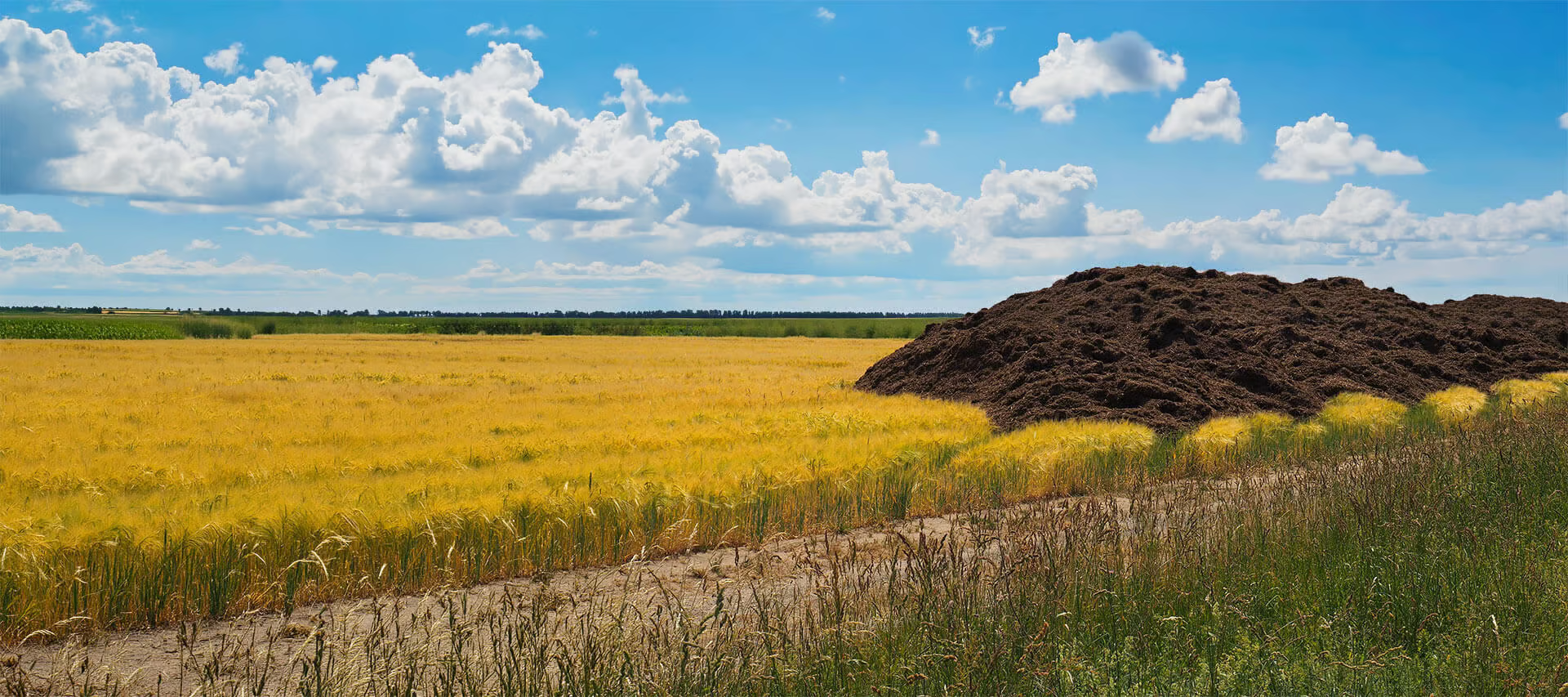
Through biosolids management, solid residue from wastewater treatment is processed to reduce or eliminate pathogens and minimize odors, forming a safe, beneficial agricultural product. Biosolids are carefully monitored and must be used in accordance with regulatory requirements.
Featured Biosolids Resources
The featured resources below are just a sample of everything WEF has to offer. Search our entire website and technical resource database for more. Also, check out the Biosolids Resources website for additional information.
Get the results of this strategic conversation among biosolids practitioners and experts on how to prepare for the future, position programs to address current and emerging challenges, and take advantage of opportunities.
This comprehensive toolkit is a resource for communicating about biosolids in ways that are factual, science-based, and easily understandable by those who might be hearing about biosolids for the first time.
This technical report, Cost Analysis of the Impacts on Municipal Utilities and Biosolids Management to Address PFAS Contamination, examines the effects of PFAS policies and regulations on municipal utilities and biosolids management entities.
Subtitled, Solids Handling and Support Systems, this resource covers all aspects of solids handling and support systems and helps operators prepare for the first three levels of certification examinations.
The RBC develops and promotes cost-effective practices and policies in biosolids and energy technologies associated with municipal, agricultural, and industrial wastewater residuals for the protection of the environment. RBC advances the industry through recruiting, mentoring, and developing the residuals and biosolids profession.
This community shall develop, recommend, and conduct programs to promote general improvement in reducing air quality and odor emissions impacts related to water quality, biosolids handling, treatment and disposal, and wastewater treatment and collection.
See how WEF connects the people and ideas driving clean water and public health. Membership gives you access to benefits, resources, and a network committed to impact.
Sanitary sewers safely transport household and commercial wastewater through underground systems, improving public health and meeting modern infrastructure standards.
The water sector and its systems protect public and ecological health. Using the data that can be collected through smart water technologies provides additional insights to address complex public health issues.
Take a comprehensive look at how all water resources, including uplands, drainage basins, wetlands, stormwater, surface water, and groundwater interact.
More than 16,000 publicly owned water resource recovery facilities operate in the United States. Skilled engineers and operators work together to ensure new and updated facilities continue to protect public health and the environment.
Industries treat and reuse wastewater and process water as well as provide environmentally sustainable wastewater treatment while reducing costs and maintaining value for their businesses.
From hands-on training and leadership opportunities, such as the WEFTEC Operations Challenge, to online training, such as the Wastewater Treatment Fundamentals series, WEF provides operators with many opportunities to advance on-the-job knowledge and develop their careers.
To respond to myriad daily challenges faced by water and wastewater utility leaders, WEF continuously works with its members and partners to develop various management initiatives, resources, and educational, training, and networking opportunities.