Anaerobic Co-digestion: Principles and Guidelines Toward More Efficient Systems   

Anaerobic Co-digestion: Principles and Guidelines Toward More Efficient Systems aims to provide comprehensive guidelines and insights for the planning, design, operation, and maintenance of anaerobic co-digestion systems. The practice of co-digestion of wastewater residuals with high strength organic wastes and harnessing the resulting biogas has been adopted by a growing number of water resource recovery utilities, particularly over the last decade. This technical publication intends to equip engineering and design professionals, researchers, operations and maintenance staff, educators, and students with a detailed understanding of fundamental concepts and practical applications of anaerobic co-digestion.

Table of Contents:
Chapter 1: Introduction
Chapter 2: Co-digestion Program Development and Business Case Evaluation
Chapter 3: Feedstocks Evaluation and Selection
Chapter 4: Digestate, Dewatering, Sidestream, and Cake Quality Impacts
Chapter 5: Feedstock Receiving, Processing, and Handling
Chapter 6: System Design Considerations
Chapter 7: Co-digestion Systems Operations and Maintenance
Chapter 8: Biogas and Bioproducts Production and Utilization from Co-digestion
Chapter 9: Co-digestion Case Studies
Where the Water Community Connects

See how WEF connects the people and ideas driving clean water and public health. Membership gives you access to benefits, resources, and a network committed to impact.

Explore All Practice Areas

Field with pile of biosolids

Biosolids Resource Recovery

Safe and sustainable: Biosolids management transforms wastewater solids into odor-controlled, pathogen-reduced agricultural products, strictly regulated for environmental safety.

Image of workers in a large drain pipe

Collection Systems and Conveyance

Sanitary sewers safely transport household and commercial wastewater through underground systems, improving public health and meeting modern infrastructure standards.

A hardhat and gavel

Government & Regulatory Affairs

Empower water professionals with knowledge and tools to influence public policy-WEF advocacy promotes awareness and engagement on key water issues.

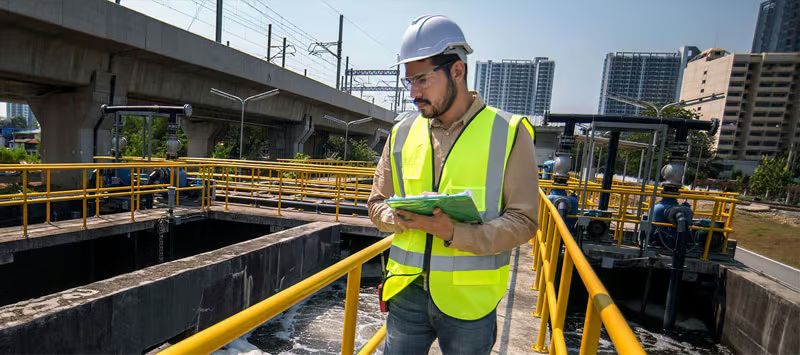
Man wearing hardhat and holding tablet observing a large industrial water tank

Industrial Water Resources

Industries treat and reuse wastewater and process water as well as provide environmentally sustainable wastewater treatment while reducing costs and maintaining value for their businesses.

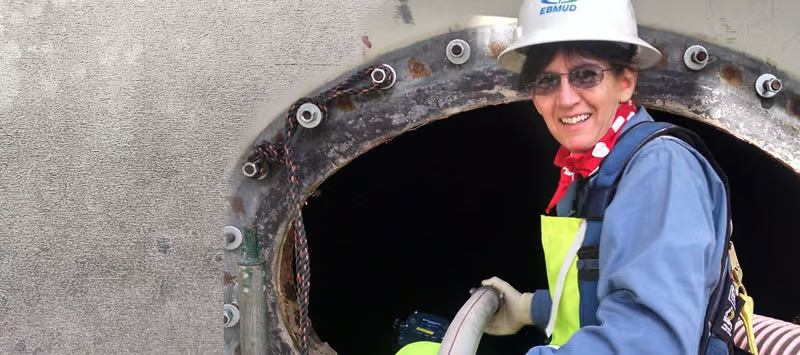
Woman wearing a hardhat and smiling at camera with an industrial water pipe in the background

Operations

From hands-v training and v opportunities, such as the WEFTEC Operations Challenge, to online training, such as the Wastewater Treatment Fundamentals series, WEF provides operators with many opportunities to advance on-the-job knowledge and develop their careers.

Woman in lab working with test tubes

Public Health

The water sector and its systems protect public and ecological health. Using the data that can be collected through smart water technologies provides additional insights to address complex public health issues.

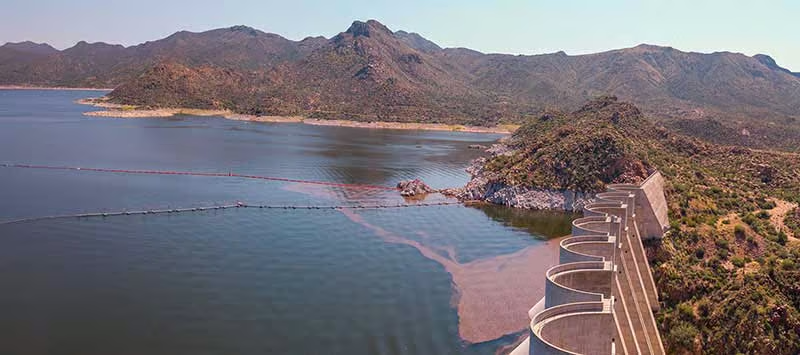
An aerial view of the Bartlett Dam on Verde River in Arizona

Stormwater & Watershed Management

Between the rise of green infrastructure, the effects of climate change, increasingly complex regulations, and the seemingly endless pursuit of infrastructure funding, the stormwater management sector is more dynamic than most public services. 

Two professional engineer male teamwork service maintenance, Worker industry water pipe tubing valve system

Utility Management

To respond to myriad daily challenges faced by water and wastewater utility leaders, WEF continuously works with its members and partners to develop a variety of management initiatives; resources; and educational, training, and networking opportunities.

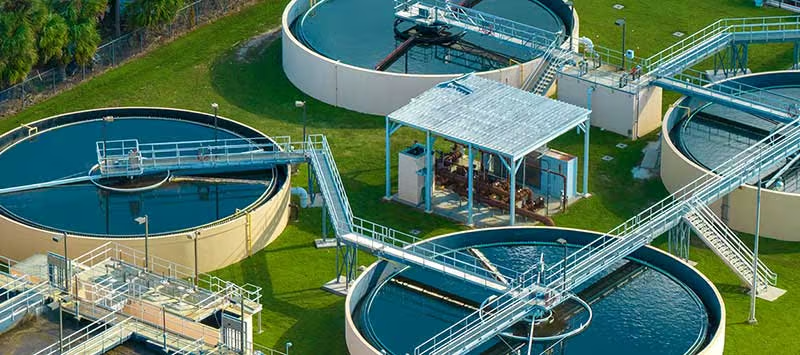
Aerial view of modern water cleaning facility at urban wastewater treatment plant

Water & Wastewater Treatment

More than 16,000 publicly owned water resource recovery facilities operate in the United States. Skilled engineers and operators work together to ensure new and updated facilities continue to protect public health and the environment.

Advertisements

Scroll to Top
Secret Link