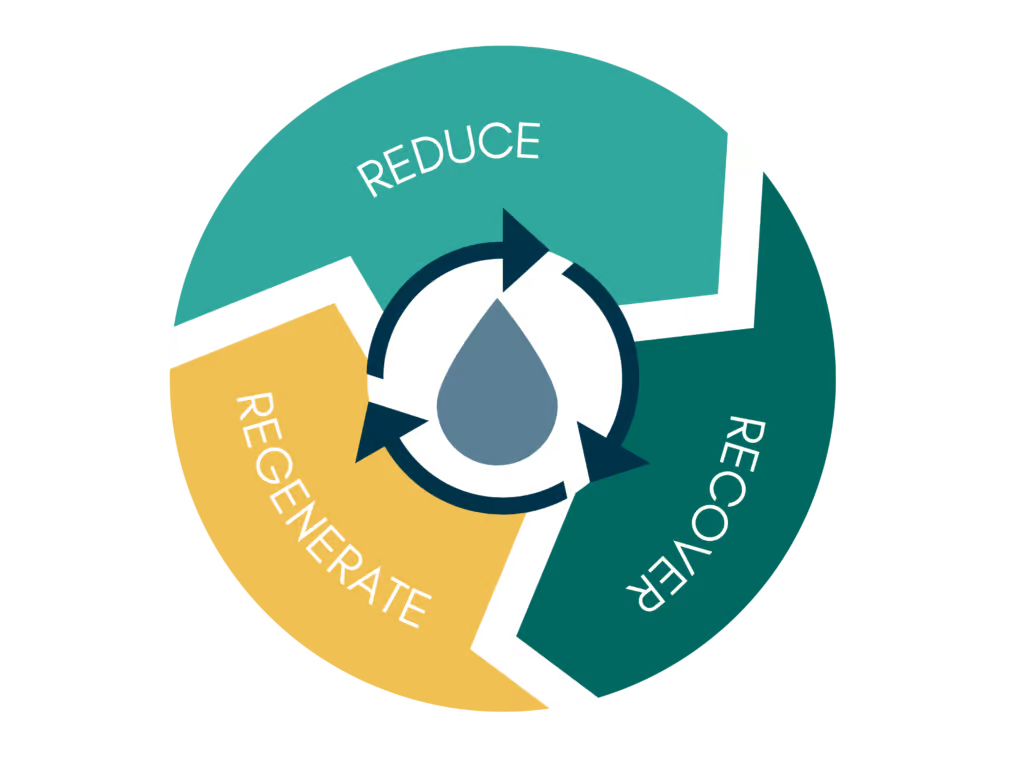
Reducing waste, recovering nutrients and energy, and regenerating nature to enhance resource efficiency and resilience.
Embracing a Sustainable Future
WEF is leading the transformation to a circular water economy by shifting away from the traditional take-use-dispose model to a more sustainable approach that maximizes the value of water resources.
In today’s world, where viably managing resources is more critical than ever, circular water emerges as a powerful, forward-thinking solution. By prioritizing resource recovery and innovative water management, circular water helps secure reliable water access for all.
A national shift toward circular water practices could unlock up to $47 billion annually in direct economic value for U.S. water utilities and municipalities.
Enroll in the Circular Water 101 Course to gain a deeper understanding of the circular water concept. This foundational, self-paced course will take about three hours, and you will receive a certification upon completion.
The circular water economy transforms how we manage water. The global map highlights real-world case studies that bring the reduce, recover, regenerate principles of circular water to life. Click on the map, or the link below, to discover innovative case studies from utilities, industries, and communities across the globe.
Want your project featured? Submit a case study to join the growing global network of circular water leaders.
Innovation is key to advancing a circular water economy. And we need to go one step farther than technology. One of the biggest barriers is navigating the permitting process.
WEF’s new concept sheet series explores how utilities and innovators can collaborate with permitting authorities to unlock innovation in wastewater management.
Grounded in research and real-world case studies, the series highlights five essential characteristics for successful permitting.
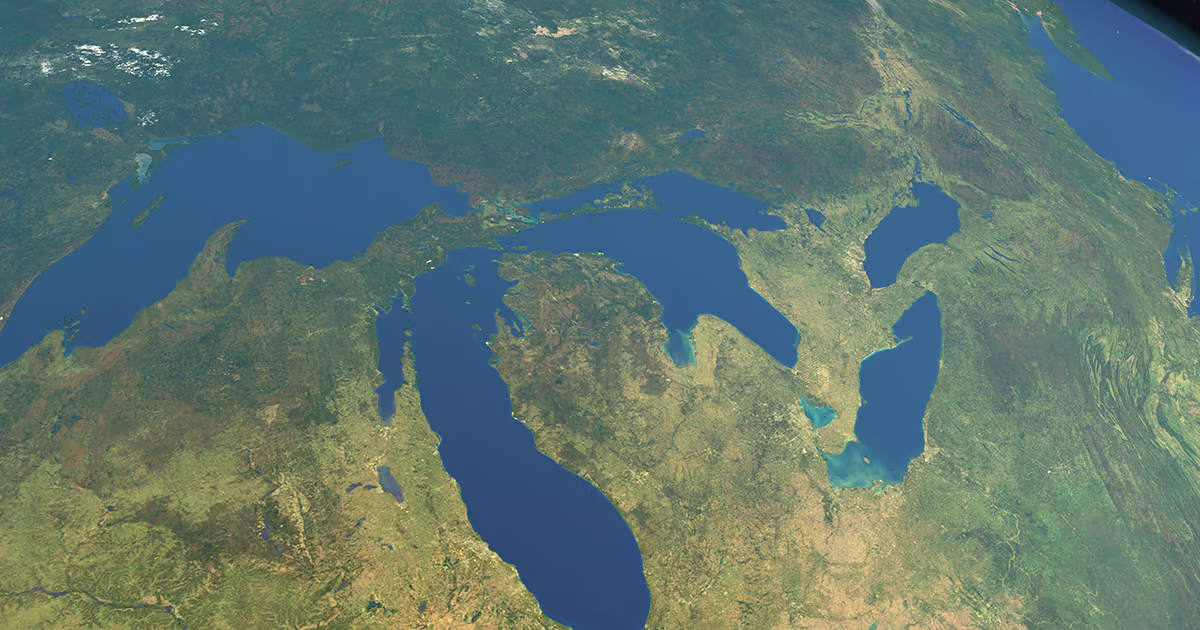
Midwestern states lag behind much of the country in developing policies that enable and encourage water reuse. The recently published Reuse Rulemaking Roadmap for the Great lakes and Mississippi River […]
As 2026 comes to a close, hear from water sector leaders on the policy, funding, and advocacy issues shaping the water sector. Participants will gain insights on federal developments, state […]
This webcast builds on the WEFTEC 2026 Workshop W12 Vapor Phase Odor Control: Avoiding Pitfalls, Achieving Performance, and will provide a practical overview of the fundamentals of vapor phase odor […]
Sanitary sewers safely transport household and commercial wastewater through underground systems, improving public health and meeting modern infrastructure standards.
Industries treat and reuse wastewater and process water as well as provide environmentally sustainable wastewater treatment while reducing costs and maintaining value for their businesses.
From hands-v training and v opportunities, such as the WEFTEC Operations Challenge, to online training, such as the Wastewater Treatment Fundamentals series, WEF provides operators with many opportunities to advance on-the-job knowledge and develop their careers.
The water sector and its systems protect public and ecological health. Using the data that can be collected through smart water technologies provides additional insights to address complex public health issues.
Between the rise of green infrastructure, the effects of climate change, increasingly complex regulations, and the seemingly endless pursuit of infrastructure funding, the stormwater management sector is more dynamic than most public services.
To respond to myriad daily challenges faced by water and wastewater utility leaders, WEF continuously works with its members and partners to develop a variety of management initiatives; resources; and educational, training, and networking opportunities.
More than 16,000 publicly owned water resource recovery facilities operate in the United States. Skilled engineers and operators work together to ensure new and updated facilities continue to protect public health and the environment.

 WEF Event