
Date of Approval: October 6, 2022
Date of Expiration: October 5, 2027
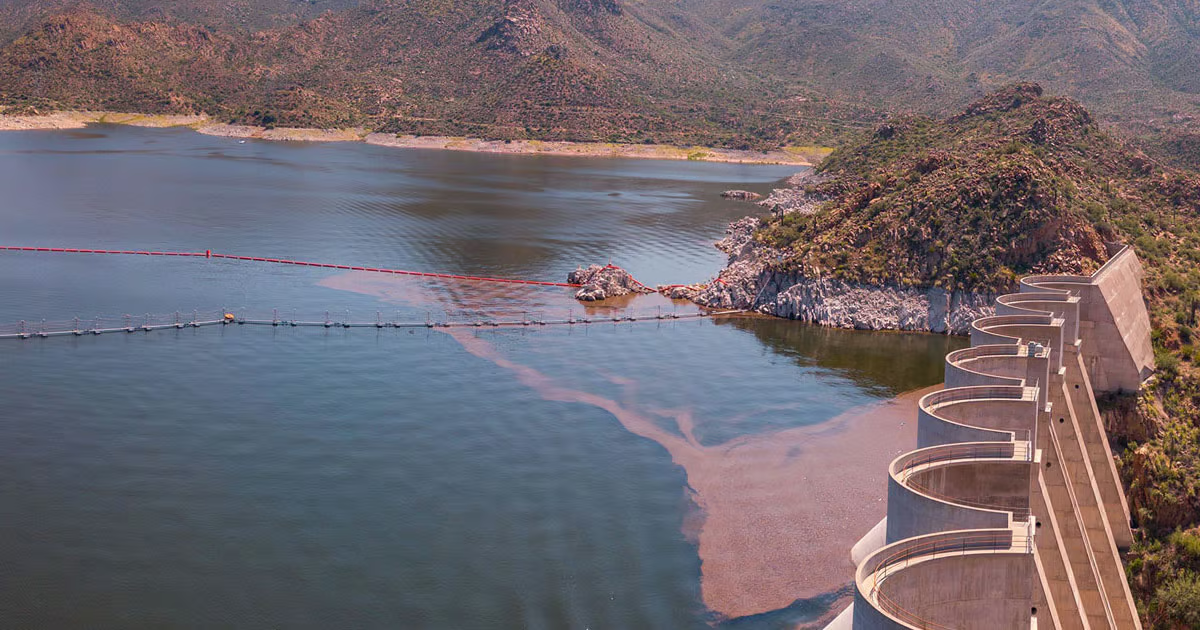
Too many nutrients entering waterbodies cause eutrophication, which can lead to harmful algal blooms (HABs) and adverse impacts to aquatic life, causing problems in recreational, food and drinking water sources. Climate change can exacerbate these effects by intensifying drought conditions, lowering available oxygen, and increasing surface water temperatures. Additionally, severe storms can increase runoff and the transfer of nutrients from land to waterbodies.
Since the establishment of the Clean Water Act, there have been significant advancements in nutrient removal processes and technologies, and in the reduction in nutrients entering water bodies from regulated sources such as water resource recovery facilities (WRRFs). However, many sources such as runoff from agricultural fields, animal feedlots, and urban and suburban developments remain significant contributors to nutrient pollution in waterbodies.