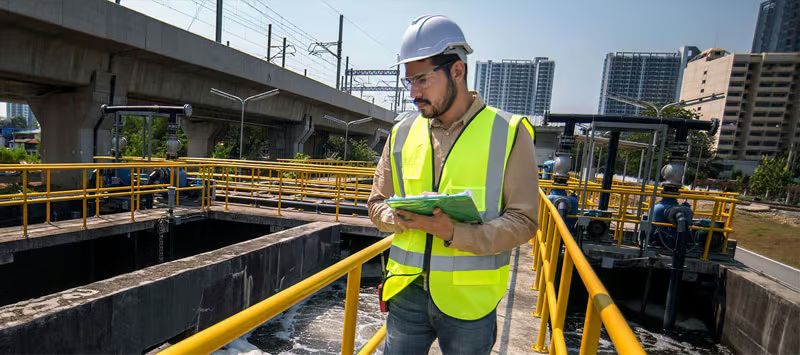
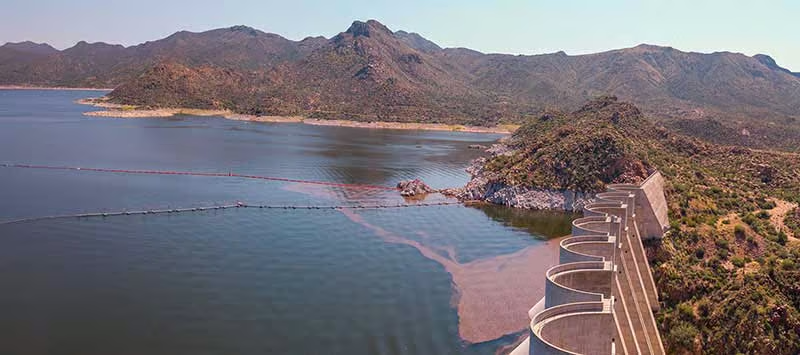
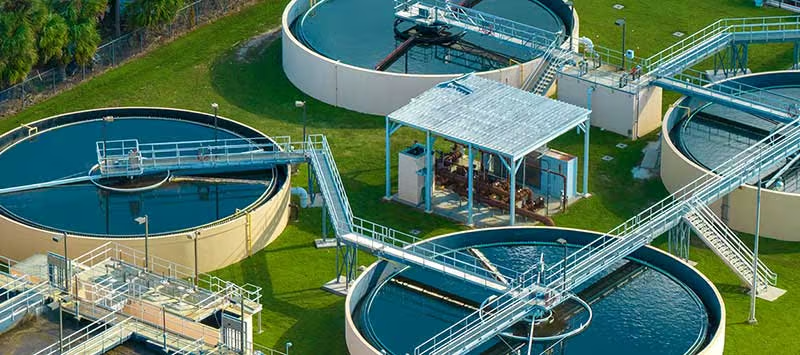
The MOP 8 series brings together the most trusted design knowledge in the water sector into a single, coordinated set of resources for professionals and educators shaping the future of water resource recovery facilities From classroom to compliance, the MOP 8 book series delivers the complete foundation for designing modern water resource recovery facilities that strive to minimize waste and maximize value.
Developed by WEF and authored by leading industry practitioners, the series aligns theory, practice, and standards—supporting sound decision-making from concept through detailed design and implementation.
Why the MOP 8 series matters:
- Industry-driven: Developed with input from hundreds of experienced authors and reviewers from across the water sector
- Trusted: Used for decades by consulting engineers, utilities, educators, and regulators
- Future-ready: Supports the industry’s shift to resource recovery, resiliency, and circular water systems
The MOP 8 series includes the following trusted and highly regarded publications from WEF: Design of Water Resource Recovery Facilities (MOP 8, 7th Edition), Wastewater Engineering: Design of Water Resource Recovery Facilities, and Standards for Design of Water Resource Recovery Facilities (WEF 8).
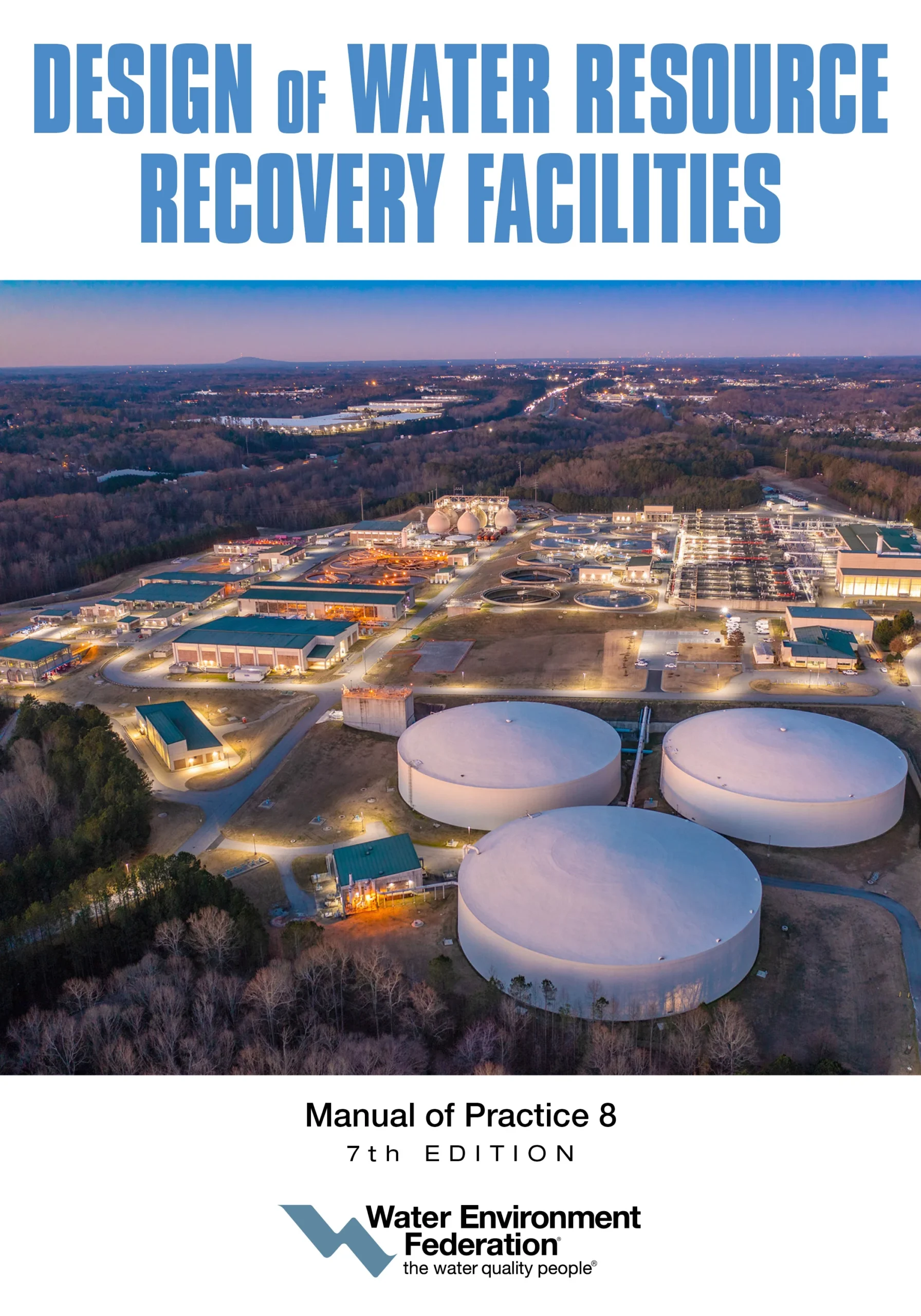
Design of Water Resource Recovery Facilities, MOP 8, 7th Edition
Design of Water Resource Recovery Facilities, MOP 8, 7th Edition, serves as a principal reference for wastewater treatment design, it reflects the methodologies and best practices of leading experts in the field. As part of the MOP 8 series, this manual is tailored for design professionals and offers the most comprehensive and authoritative coverage available on water resource recovery facility (WRRF) design.
Wastewater Engineering: Design of Water Resource Recovery Facilities
Wastewater Engineering: Design of Water Resource Recovery Facilities (MOP 8 Series) provides comprehensive, up-to-date knowledge and practical tools for designing water resource recovery facilities, serving both as a senior- and graduate-level textbook and a professional reference. Developed by a team of academics and industry experts and rigorously reviewed, it supports engineers at all stages of their careers with clear learning objectives, example problems, and in-depth design context. As part of the broader MOP 8 series, the book complements Standards for Design of Water Resource Recovery Facilities (WEF 8)—which offers concise, quick-reference design criteria—by delivering foundational theory and detailed explanations, making it an essential entry point for new engineers and a valuable resource for experienced practitioners.
Standards for Design of Water Resource Recovery Facilities, WEF 8
Standards for Design of Water Resource Recovery Facilities (WEF 8) is a concise, quick-reference resource developed to complement modern design literature by providing essential design criteria in an accessible format of tables and bulleted lists, along with citations for further detail. Intended for experienced design professionals, it supports efficient identification of key criteria for commonly used water resource recovery processes while emphasizing that it is not a comprehensive standalone guide; proper application requires a strong foundational understanding of wastewater treatment principles, design practices, and regulatory requirements.
Where the Water Community Connects
See how WEF connects the people and ideas driving clean water and public health. Membership gives you access to benefits, resources, and a network committed to impact.
Explore All Practice Areas